
People Art
Here we have collected the People Art Painting, which style can be generally described as modern figurative art. In comparison with purely abstract art, which means a total departure from real forms, it maintains certain elements of recognizable objects in emotional and whimsical interpretations. The closest styles and first examples can be found in surrealism since the 1920s, and the term 'figurative art' has obtained a fresh meaning with the arrival of abstract art. Modern figurative art uses fresh symbols and idioms, moving away from realism to abstraction.
-
“Elegant Dancer in Green” – Abstract Figure Oil Painting with Flowing Colors DTP082
![]()

- Regular price
- from $219.00
- Sale price
- from $219.00
- Regular price
-
$395.00 - Unit price
- per
-
Abstract Spiritual Figure Art, Minimalist Line - Art Painting for Serene Bedroom & Art Gallery LargeART2234
![]()

- Regular price
- from $219.00
- Sale price
- from $219.00
- Regular price
-
$395.00 - Unit price
- per
-
Nude Wall Art Original Black and White Erotic Painting for Bedroom Cp020
![]()
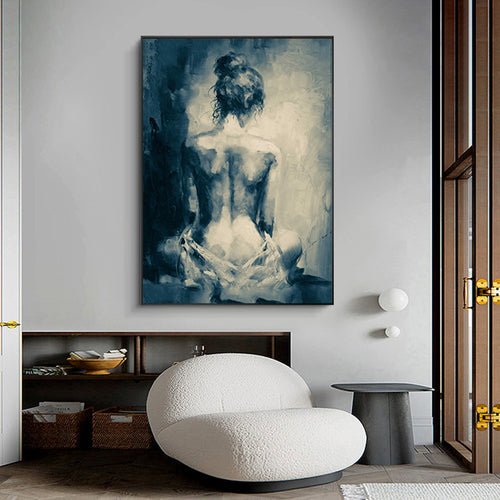
- Regular price
- from $118.00
- Sale price
- from $118.00
- Regular price
-
$300.00 - Unit price
- per
-
Nude Wall Art Original Black and White Erotic Painting from Bedroom Cp038
![]()
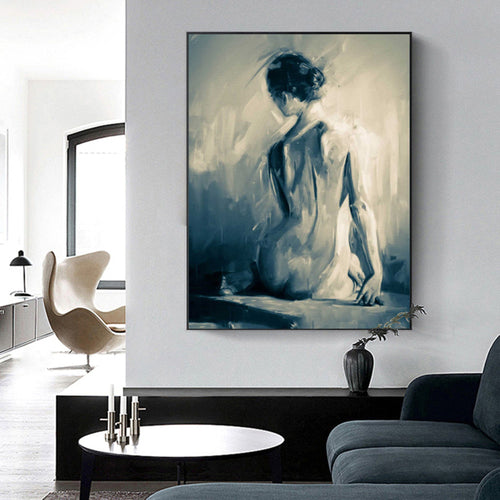
- Regular price
- from $118.00
- Sale price
- from $118.00
- Regular price
-
$300.00 - Unit price
- per
-
“Color - Stacked Headdress Figure” – Orange background, with blue, brown, and other colors stacked to form a headdress and clothing. DTP348
![]()

- Regular price
- from $219.00
- Sale price
- from $219.00
- Regular price
-
$395.00 - Unit price
- per
-
“Wave - Masked Figure” – Blue, white, and pink, with waves merging with a human face. DTP347
![]()

- Regular price
- from $219.00
- Sale price
- from $219.00
- Regular price
-
$395.00 - Unit price
- per
-
“Figure on Blue Impasto Path” – Small figure on a textured, blue and white impasto “path”. DTP327
![]()

- Regular price
- from $219.00
- Sale price
- from $219.00
- Regular price
-
$395.00 - Unit price
- per
-
“Color - Blocked Hat Figure” – Abstract figure with a hat of bold color blocks (yellow, red, blue, white). DTP324
![]()

- Regular price
- from $219.00
- Sale price
- from $219.00
- Regular price
-
$395.00 - Unit price
- per
-
“Colorful Abstract Figure” ,Soft background with a figure’s profile, surrounded by vibrant, fragmented colors and shapes. DTP318
![]()

- Regular price
- from $219.00
- Sale price
- from $219.00
- Regular price
-
$395.00 - Unit price
- per
-
“Fragmented Portrait” ,Dark background with a partially obscured figure, using textured, swirling brushstrokes in skin tones. DTP315
![]()

- Regular price
- from $219.00
- Sale price
- from $219.00
- Regular price
-
$395.00 - Unit price
- per
-
“Floral Veil” ,Soft beige background, with a figure whose face is obscured by loose, painterly purple, white, and green flowers. DTP309
![]()

- Regular price
- from $219.00
- Sale price
- from $219.00
- Regular price
-
$395.00 - Unit price
- per
-
“Colorful Silhouette” ,Black figure surrounded by bold, textured swaths of blue, green, yellow, orange, and red. DTP308
![]()

- Regular price
- from $219.00
- Sale price
- from $219.00
- Regular price
-
$395.00 - Unit price
- per
-
“Sync Swim” ,Monochromatic green with two small figures swimming. DTP305
![]()

- Regular price
- from $219.00
- Sale price
- from $219.00
- Regular price
-
$395.00 - Unit price
- per
-
“Dive In” ,Green water, earthy tones for land, with a figure diving into the water. DTP304
![]()

- Regular price
- from $219.00
- Sale price
- from $219.00
- Regular price
-
$395.00 - Unit price
- per
-
“Bookish Retreat” ,Soft green background, blue armchair, brown pants, white and red clothing, with a figure reading a book. DTP303
![]()

- Regular price
- from $219.00
- Sale price
- from $219.00
- Regular price
-
$395.00 - Unit price
- per
-
“Fragmented Portrait” – Abstract Figure Oil Painting with Color Blocks DTP285
![]()

- Regular price
- from $219.00
- Sale price
- from $219.00
- Regular price
-
$395.00 - Unit price
- per


- Page 1 of 9
- Next page