
Purple Abstract Painting: The Mystical Fusion of Color, Emotion, and Healing Power
In the vibrant world of contemporary art, few genres capture the imagination quite like Purple Abstract Painting. This dynamic style transcends traditional representation, using swirling hues of violet, lavender, indigo, and deep plum to evoke deep emotions, spiritual awakening, and profound healing. Rooted in the rich symbolism of purple as a color of royalty, mystery, and introspection, purple abstract paintings have become a cornerstone of modern interior design and therapeutic art practices. Whether you're drawn to bold geometric forms or fluid, organic textures, these works invite viewers into a meditative space where color speaks louder than words.
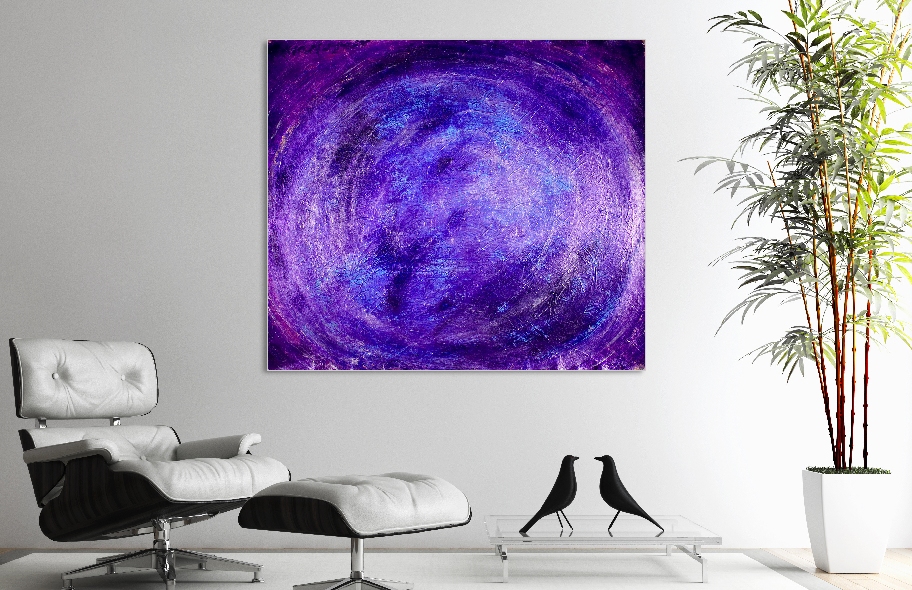
The healing color of purple has long fascinated artists and viewers alike. As highlighted in explorations of art's restorative potential, purple is often associated with peace, creativity, and a connection to the spiritual realm. Leonardo da Vinci reportedly meditated under lavender-tinted light for its calming effects, while pre-Raphaelite painters embraced its romantic allure. In today's Purple Abstract Painting scene, this legacy evolves into non-representational forms that amplify these benefits, allowing personal interpretation and emotional release.
Purple has held a prestigious place in art history for centuries. Derived from rare dyes like Tyrian purple from Mediterranean mollusks, it symbolized power and divinity in ancient Rome and Byzantium. By the 19th century, synthetic pigments made it accessible, inspiring Impressionists and Post-Impressionists to experiment with its luminous qualities. The shift to abstraction in the early 20th century—pioneered by artists like Wassily Kandinsky—marked a turning point. Kandinsky viewed color as a direct path to the soul, with purple representing a balance of red's passion and blue's calm. His compositions influenced generations, blending spiritual abstraction with emotional depth.
In the mid-20th century, Abstract Expressionists further elevated purple tones. Artists like Mark Rothko used layered purples to create immersive fields of color that evoked contemplation and transcendence. Today, contemporary Purple Abstract Painting draws from these roots while incorporating modern techniques. Galleries and online collections showcase how purple's versatility—from soft pastels to intense magentas—adapts to everything from minimalism to chaotic energy. For a stunning selection of large-scale pieces, explore this curated Purple Abstract Painting collection featuring contemporary works ideal for home or office spaces.
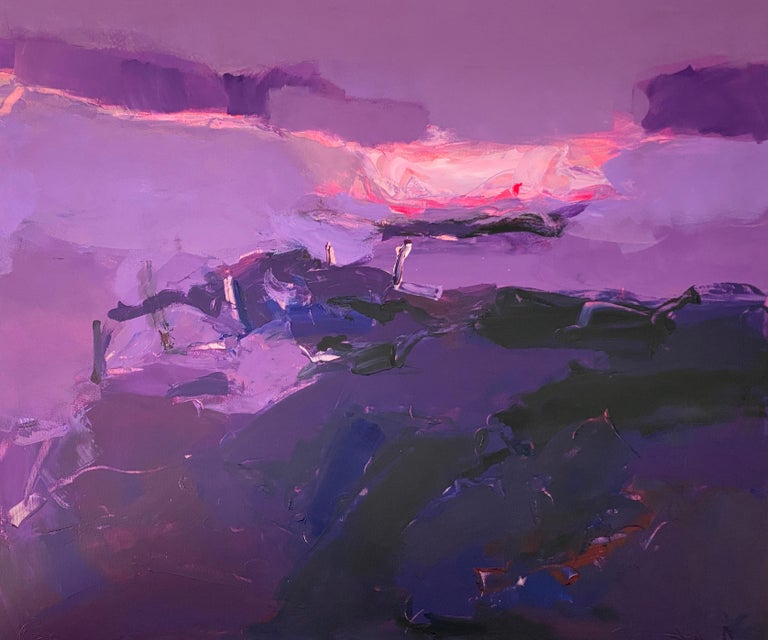
Creating a compelling purple abstract painting requires mastery of color theory, texture, and composition. Artists often begin with a base layer of acrylic or oil, mixing ultramarine blue with alizarin crimson or quinacridone magenta to achieve nuanced purples. Layering is key: translucent glazes build depth, while opaque strokes add drama. Techniques like pouring, dripping, or palette knife application create organic flows reminiscent of cosmic nebulae or emotional turbulence.
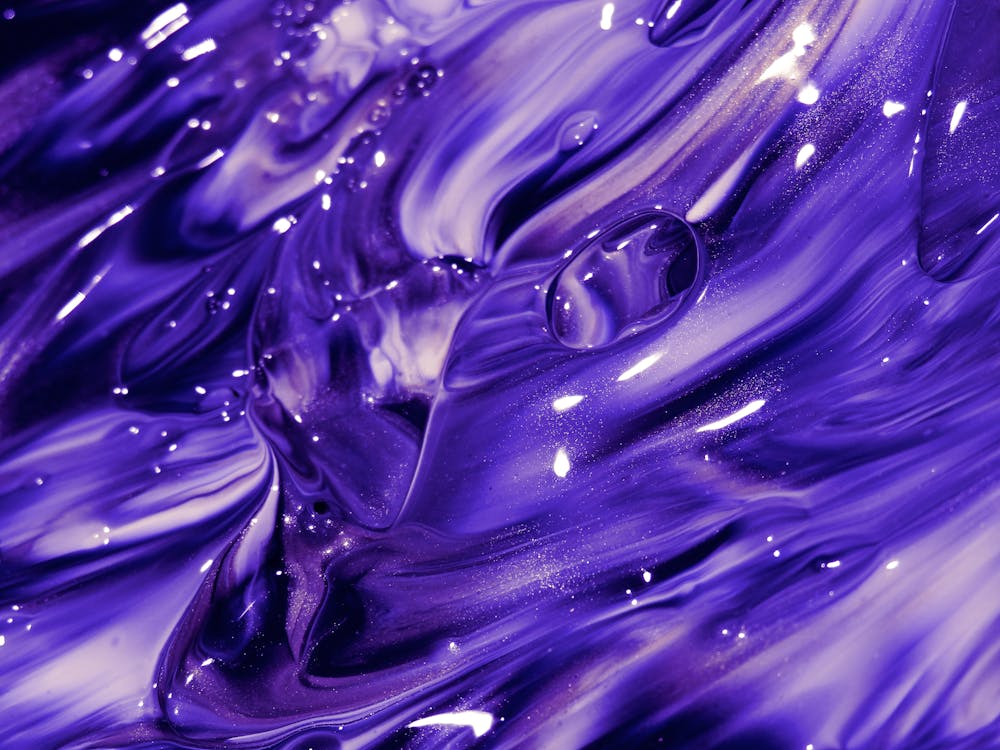
Texture plays a vital role in elevating Purple Abstract Painting. Impasto methods—thick applications of paint—produce ridges and valleys that catch light, adding tactile interest. Mixed media elements, such as gold leaf, metallic powders, or embedded crystals, enhance the mystical quality. Fluid acrylic pours, popularized in modern abstract art, allow colors to swirl naturally, mimicking natural phenomena like galaxies or ocean depths. Many artists incorporate mindfulness during creation, using purple's soothing vibrations to channel intuition and reduce stress.

Famous practitioners have defined the genre. Kandinsky's "Compositions" series often featured purple accents symbolizing spiritual harmony. Hilma af Klint, a pioneer of spiritual abstraction, used violet tones in her automatic drawings to represent higher consciousness. In the contemporary era, artists like Nestor Toro create vortex-like purple abstracts that pull viewers into meditative states, while others experiment with digital tools for hybrid works.
The therapeutic benefits of Purple Abstract Painting are well-documented. Color psychology links purple to creativity stimulation and anxiety reduction. Viewing or creating such art promotes mindfulness, slows racing thoughts, and fosters emotional balance—much like the healing-focused exhibitions that feature purple works by member artists. Studies on art therapy show abstract pieces encourage self-reflection without the pressure of literal interpretation, making them ideal for mental health support.
One standout example is the fluid, gold-flecked compositions that echo ancient kintsugi repair, symbolizing renewal through cracks filled with light. These pieces not only beautify spaces but also serve as daily reminders of resilience. For nature-inspired purple abstracts, consider how floral motifs evolve into non-objective forms, blending photography with paint for hybrid healing art.
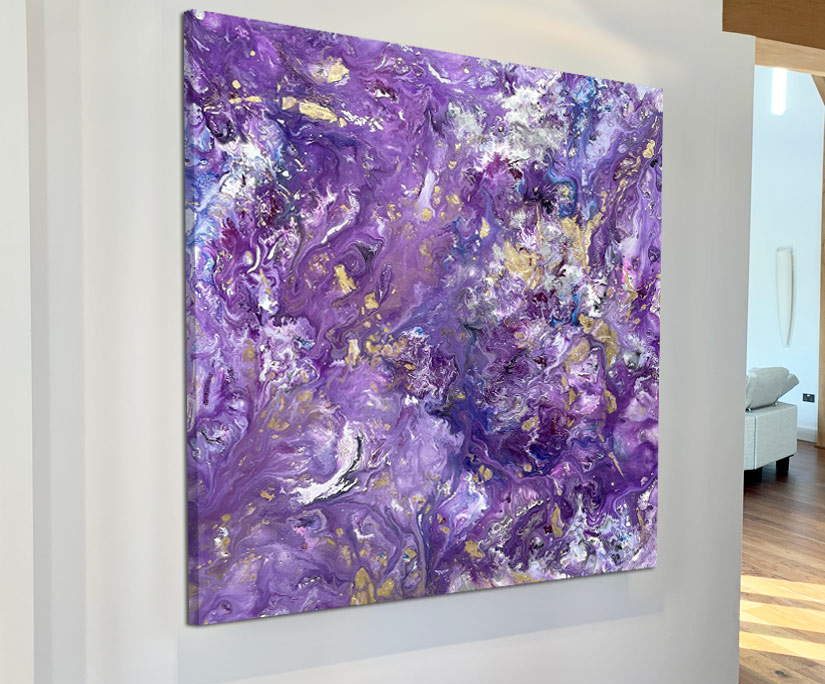
Decorating with Purple Abstract Painting transforms any environment. Large canvases (often 48x60 inches or more) act as focal points in living rooms, bedrooms, or meditation spaces. Pair deep purple abstracts with neutral walls for contrast, or layer with soft lighting to highlight textures. In corporate settings, they boost creativity and productivity. Collectors appreciate their versatility—purple complements both minimalist Scandinavian decor and eclectic bohemian styles.
The rise of online marketplaces has democratized access. Sites dedicated to extra-large wall art offer affordable, high-quality reproductions and originals, ensuring every budget can embrace this genre. Whether purchasing for personal healing or as a gift, these paintings deliver immediate visual impact and long-term emotional value.
Beyond aesthetics, Purple Abstract Painting connects to broader cultural trends. Pantone's "Very Peri" (a purple-blue hybrid) as a Color of the Year underscored its relevance in design, reflecting post-pandemic desires for calm innovation. Artists today draw from Theosophy, Eastern philosophies, and quantum-inspired visuals, infusing works with cosmic energy.
Techniques continue evolving. Digital abstraction software allows precise control over purple gradients, while eco-friendly pigments appeal to sustainable creators. Workshops on intuitive painting emphasize purple's role in unlocking subconscious creativity, aligning with art-as-therapy movements.
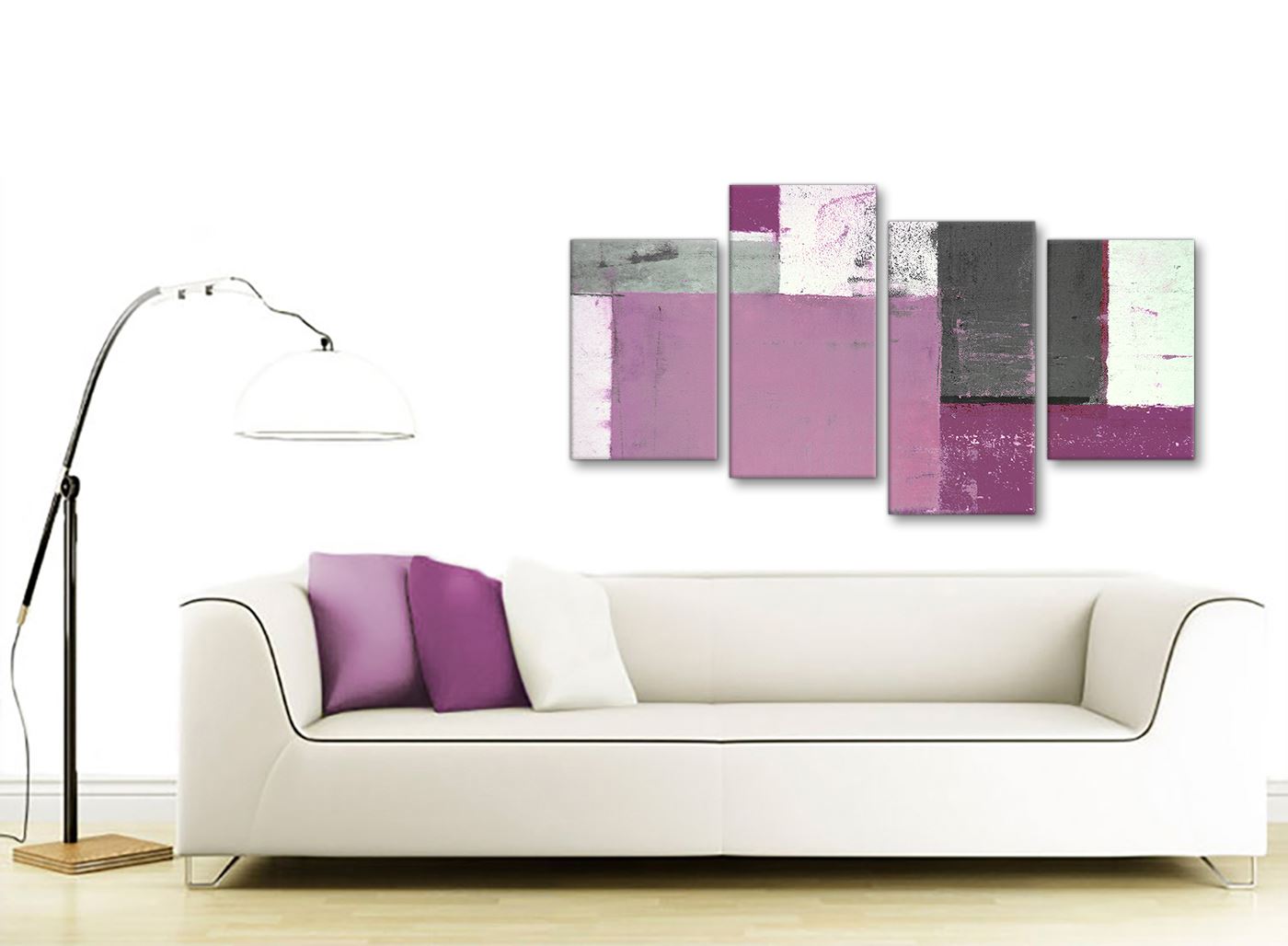
For those new to the genre, starting small with prints builds appreciation before investing in originals. Consider scale: oversized pieces immerse the viewer, while diptychs or triptychs create narrative flow. Maintenance is simple—dust gently and avoid direct sunlight to preserve vibrancy.
Purple Abstract Painting stands as a testament to art's power to heal, inspire, and unite. From historical roots in royalty to modern expressions of inner worlds, these works offer endless discovery. Whether you're an artist, collector, or enthusiast, diving into this purple-hued realm promises transformation. Discover your perfect piece and let color guide your journey.
FAQ
1. What makes Purple Abstract Painting unique compared to other abstract styles? Purple Abstract Painting uniquely blends emotional depth with spiritual symbolism. The color purple evokes mystery, wisdom, and calm, setting it apart from bolder reds or cooler blues. It allows for highly personal interpretations while delivering consistent healing benefits.
2. How can Purple Abstract Painting support mental health and healing? These artworks promote mindfulness and stress relief through color psychology. Their non-representational nature encourages free association, reducing anxiety much like meditation. Many collectors report feeling more centered and creative after prolonged viewing.
3. What techniques are commonly used in creating Purple Abstract Painting? Artists employ layering, pouring, impasto, and mixed media. Purple shades are mixed from primaries, with textures built via palette knives or glazes for depth and luminosity.
4. Are there famous artists known for Purple Abstract Painting? Yes—Wassily Kandinsky pioneered color-emotion links with purple accents, while modern creators like Nestor Toro specialize in vibrant purple vortices. Spiritual abstractionists like Hilma af Klint also incorporated violet tones.
5. Where can I buy authentic Purple Abstract Painting online? Reputable collections like the Purple Abstract Painting showcase feature contemporary large-scale works. Always verify artist credentials and read reviews for quality.
6. How do I choose the right Purple Abstract Painting for my space? Consider room size, lighting, and mood. Deep purples suit dramatic accents; lighter lavenders work in serene areas. Test with digital previews or visit galleries for in-person viewing.
7. How should I care for my Purple Abstract Painting to maintain its vibrancy? Keep away from direct sunlight and humidity. Dust with a soft cloth periodically. For originals, professional framing with UV-protective glass extends longevity.