
Original Large Abstract Oil Painting: Why Handmade Scale and Texture Still Matter
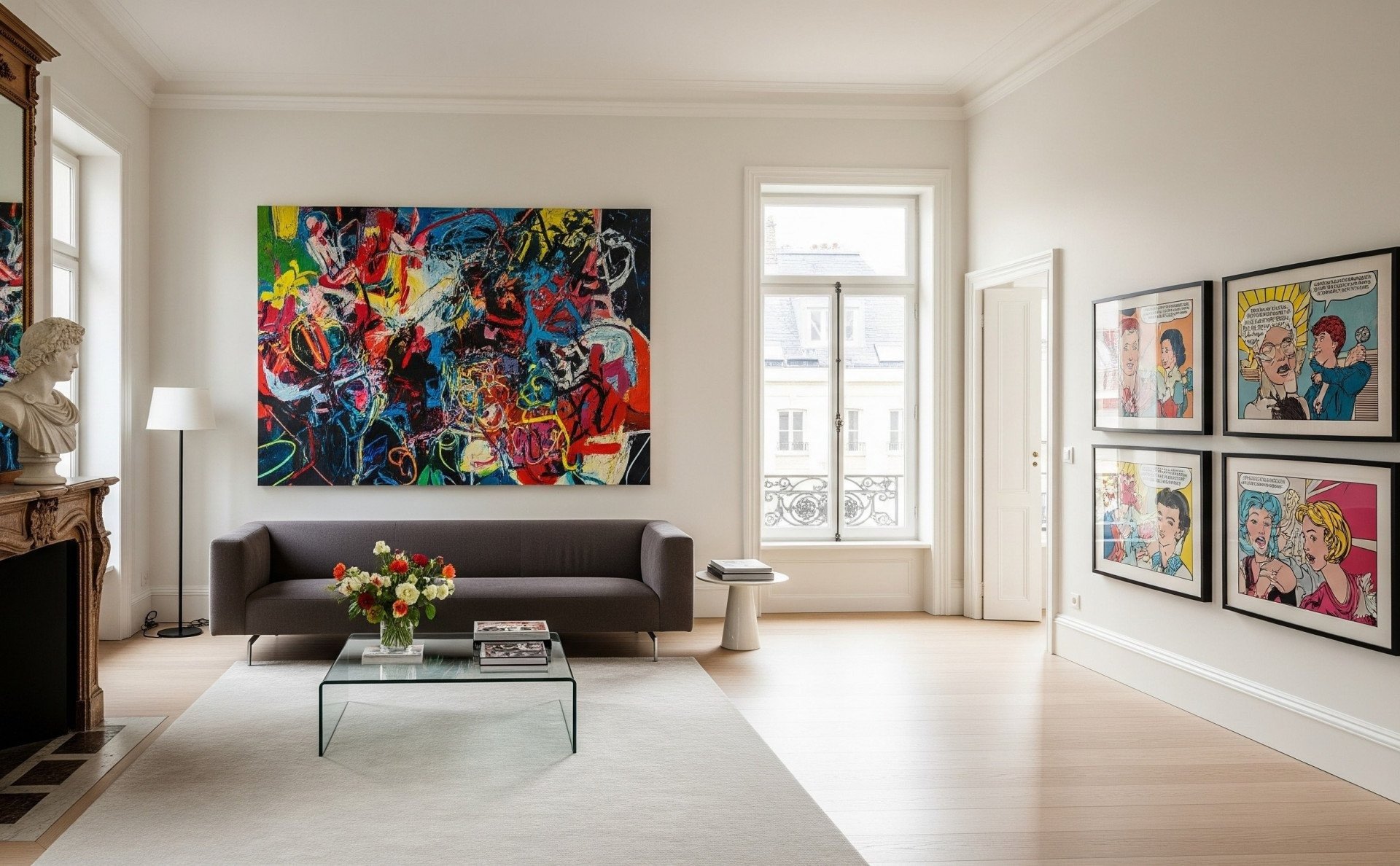
An original large abstract oil painting is more than décor. It is a one-of-a-kind physical object: thick paint, visible brush or knife marks, layered color, and a presence that prints and posters cannot reproduce. At living-room scale, those qualities become architectural. The painting does not sit politely on the wall; it organizes the furniture, the light, and the mood of the room.
This guide explains what distinguishes an original oil work from a reproduction, how scale and texture change a space, how to choose and hang a piece, and where to find handmade options. The keyword large abstract oil painting is used here to point to a specialist source of extra-large handmade abstracts.
What “Original” Actually Means
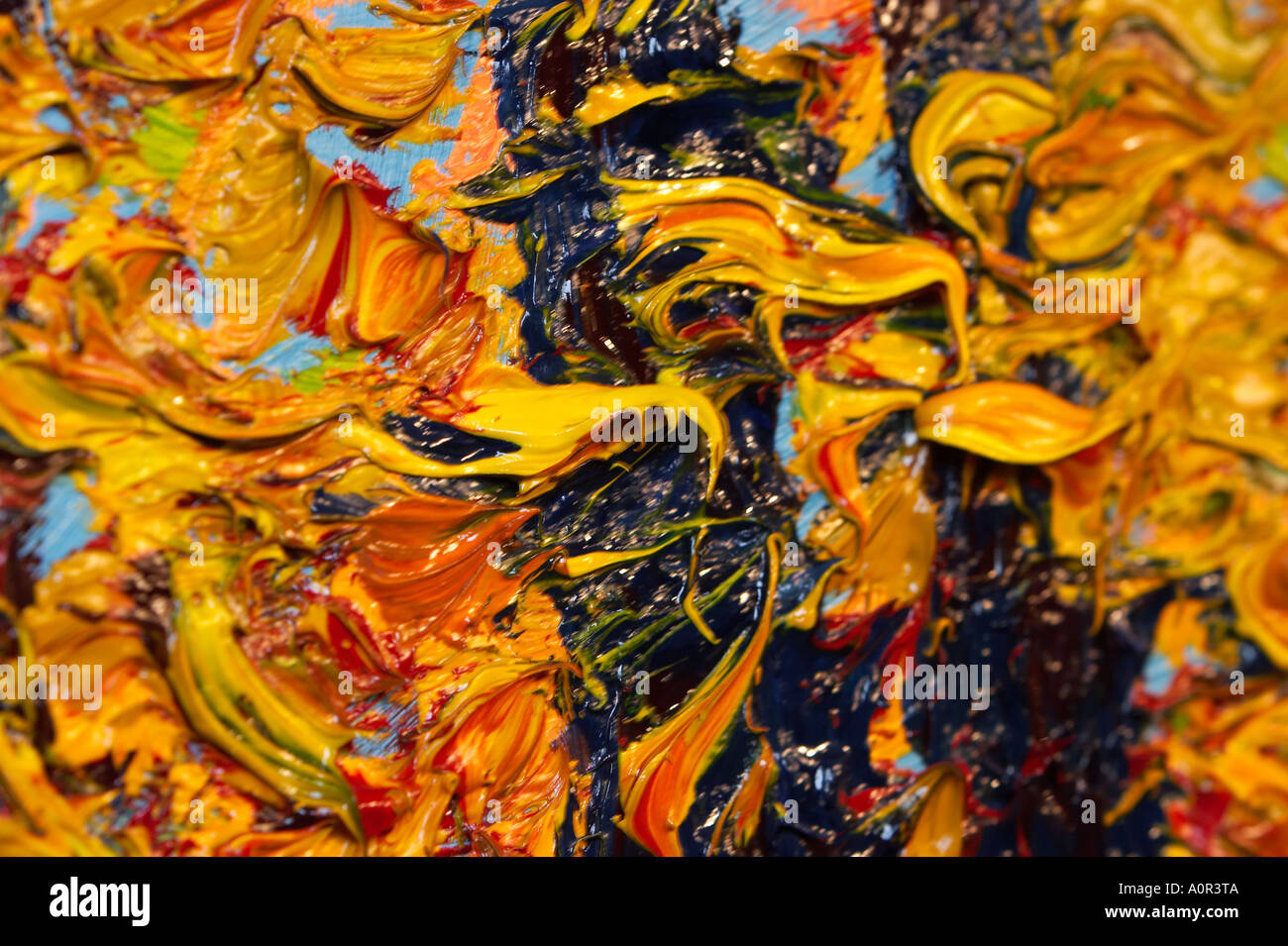
An original painting exists only once. The artist mixed the pigments, decided the thickness of each passage, and left a unique surface that cannot be copied exactly. A print, even a high-quality giclée, flattens that history into a single plane. From across a room the difference may be subtle; from a few feet away it is obvious. Light rakes across ridges of oil paint. Edges catch highlights. Soft areas recede. The work changes as the day changes.
Oil paint is especially suited to this kind of presence. It dries slowly, so colors can be blended, scraped, or built up over days. Palette-knife passages can stand proud of the canvas. Glazes can sit over opaque layers. That physical depth is why collectors still prefer oil for large statement pieces.
A Brief Lineage
Large-scale abstraction has a clear modern history. Mid-century Abstract Expressionists treated the canvas as an arena rather than a window. Artists such as Jackson Pollock, Willem de Kooning, and later color-field painters demonstrated that size itself could become content: the viewer is not looking at a picture so much as standing in front of a field of color and gesture. Museums such as Tate and MoMA document this shift clearly.
Contemporary handmade large abstracts continue that idea without needing to copy any single historical style. Gestural, geometric, atmospheric, and heavily textured approaches all work at extra-large scale, provided the surface is real paint rather than a photograph of paint.
Why Size Changes Everything
A small abstract can be charming. A large abstract oil painting can hold a wall. Typical living-room statement sizes start around 48 inches on the long side and frequently reach 60, 72, or more. At that scale the work becomes a focal plane, not an accessory.
Practical effects of going large:
- The sofa, fireplace, or console finally has a visual counterpart.
- High ceilings stop looking empty.
- Open-plan rooms gain a defined living-zone without extra walls.
- Color and texture can be read from across the room and still reward close viewing.
A common proportion for art above a sofa is roughly two-thirds the sofa’s width. That guideline is not a law, but it prevents the painting from looking timid or oversized. Measure the wall and the furniture before you fall in love with a listing.

Texture, Light, and the Advantage of Oil
Texture is the quality photographs flatten most. Impasto, palette-knife ridges, and layered glazes turn a painting into a low-relief object. Morning side-light can make the surface look almost sculptural; evening lamps pick out different ridges. This is one reason original oils feel “alive” in a way that canvas prints do not.
When you evaluate a piece, look for:
- Visible variation in paint thickness
- Edges that are built rather than printed
- Color that sits in layers rather than a single flat film
- A surface that would still be interesting in black-and-white
Neutral or limited palettes can be just as powerful as high-chroma works. Soft grays, blues, creams, and muted earths often sit more comfortably in rooms that already have strong furniture or textiles. Bold color is equally valid when the room can support it.
Choosing Color and Mood
Abstract oil paintings do not depict a scene, so they function more like atmosphere. Cool blues and teals tend to calm a space. Warm reds, ochres, and golds add energy. High-contrast black-and-white or navy-and-cream pieces can look architectural. The best choice is usually the one that either echoes existing tones in the room or introduces a single, deliberate accent.
Ask two questions:
- Do I want the painting to quiet the room or to wake it up?
- Will this palette still work if I change the sofa pillows next year?
Because an original is unique, it is worth living with images of the piece for a few days before buying. Request additional photos in different light whenever possible.
Placement and Hanging
Hang so the visual center of the painting sits near 57–60 inches from the floor, or slightly higher for very large works and high ceilings. Leave breathing room on both sides of a sofa. Avoid crowding the painting with too many small objects on the same wall.
Lighting matters. A picture light or adjustable ceiling spot can reveal texture that overhead room lighting washes out. Avoid harsh, even floodlighting that flattens the surface.
For heavy, thickly painted canvases, use wall anchors rated for the actual weight. Extra-large oils on stretcher bars can be substantially heavier than a print of the same size.
Original Versus Print: A Practical Decision
Prints have a place: they are affordable, consistent, and easy to replace. For the main wall of a living room, an original usually earns its cost. You are paying for uniqueness, material presence, and the artist’s decisions in real paint. Over years of daily viewing, that difference tends to matter more, not less.
If budget is limited, one strong original is usually better than several mediocre prints. Scale and surface quality outperform a cluster of small images on the same wall.
Where to Buy an Original Large Abstract Oil Painting
Look for sellers who describe the work as handmade or original, who show close-up texture photos, and who can discuss size customization. A focused source for extra-large handmade abstracts is large abstract oil painting collections at Extra Large Wall Art, which specializes in original, adjustable-size contemporary oils for living rooms and other large walls.
For a broader marketplace of independent artists, Saatchi Art remains a major destination for original paintings, including large oils, with filters for size, medium, and style.
When buying online, confirm:
- Actual painted dimensions, not just framed size
- Medium (oil, oil-and-mixed-media, etc.)
- Whether the work is unique or an edition
- Shipping method for oversized canvases
- Return or revision policy if you are commissioning a custom size
Care
Keep original oils out of prolonged direct sun. Dust with a soft, dry cloth; do not use household cleaners. Thick impasto should be dusted gently so ridges are not snagged. If the painting ever needs more than surface dusting, consult a conservator rather than improvising.
Conclusion
An original large abstract oil painting earns its place by being irreplaceable. Scale gives it authority; oil and texture give it life. Hung at the right height above a sofa or on a long empty wall, it can do more for a room than almost any other single object.
Measure first, look closely at the surface, and choose a work whose color and energy you can live with every day. Start with a dedicated collection of large abstract oil painting options if you want extra-large handmade oils, or browse artist platforms such as Saatchi Art for one-of-a-kind pieces. The right painting will keep revealing itself long after the furniture around it has been rearranged.
FAQ: Original Large Abstract Oil Paintings
What size counts as “large”? In residential interiors, large usually means at least 48 inches in one dimension. Many statement pieces are 60 inches or wider. Above a sofa, a width of about two-thirds of the sofa is a reliable starting point.
Why choose oil instead of acrylic? Oil blends more slowly and supports thicker, more luminous layers. Acrylic can also be textured, but many collectors still prefer the depth and aging qualities of oil for major works.
How can I tell an original from a print in photos? Ask for close-ups of the surface. Originals show irregular ridges, overlapping strokes, and paint that catches light. Prints look uniform even when they imitate texture.
Where should I hang a large abstract in the living room? The wall above the sofa is the most common and effective location. Long feature walls, spaces above a fireplace, and double-height rooms also work well if the painting is scaled to the architecture.
How high should it hang? Center the work around 57–60 inches from the floor, or a little higher for very large canvases and tall ceilings. Leave a modest gap above the sofa back.
Will a colorful abstract clash with my furniture? Not if you treat the painting as either an echo of existing tones or a single planned accent. Neutral abstracts are the most flexible; strong color is best when the rest of the room can stay relatively quiet.
Do original large oils need special lighting? They benefit from it. Raking or adjustable light reveals texture that flat ceiling fixtures can hide. Avoid intense, prolonged sunlight.
How do I care for thick impasto? Dust lightly with a dry, soft cloth. Do not wipe with water or sprays. Protect the surface from knocks; raised paint can chip if struck.
Is an original a better investment than a print? Financially it depends on the artist. Experientially, yes for a primary wall: you own a unique object with real material presence. That is the main reason people choose originals.
Where can I find original extra-large abstract oils? Specialist handmade collections such as those for large abstract oil painting at Extra Large Wall Art, and artist marketplaces such as Saatchi Art, are practical starting points. Always confirm uniqueness, medium, and exact dimensions before purchase.