
Geometric Wall Art: Transform Your Space with Bold, Modern DIY Designs
Geometric Wall Art has become a cornerstone of contemporary interior design, offering clean lines, symmetry, and visual impact that elevate any room. Whether you're renting an apartment in Dallas or designing a spacious living area, these patterns bring energy, balance, and personality without overwhelming your budget. Inspired by simple wall decor techniques like painter's tape masking and modular assembly, this comprehensive guide will walk you through creating stunning geometric wall art from scratch. We'll cover everything from beginner-friendly painted accents to advanced 3D wood and canvas projects—perfect for achieving that high-end look at home.
Geometric designs draw from mathematics and nature, using shapes like triangles, hexagons, diamonds, and circles to create harmony. In modern homes, they complement minimalist, mid-century, or boho aesthetics. Ready-made options abound, but DIY versions allow customization in color, scale, and texture. Expect to spend 4–8 hours on most projects, with costs under $50 for small pieces or $200+ for large statement walls.
Why Geometric Wall Art Captivates Homeowners
Geometric wall art isn't just trendy—it's timeless. It adds depth to flat walls, directs the eye, and can make small spaces feel larger or large rooms more intimate. Studies in environmental psychology show that structured patterns reduce visual clutter and promote calm, making them ideal for bedrooms, offices, or living rooms.
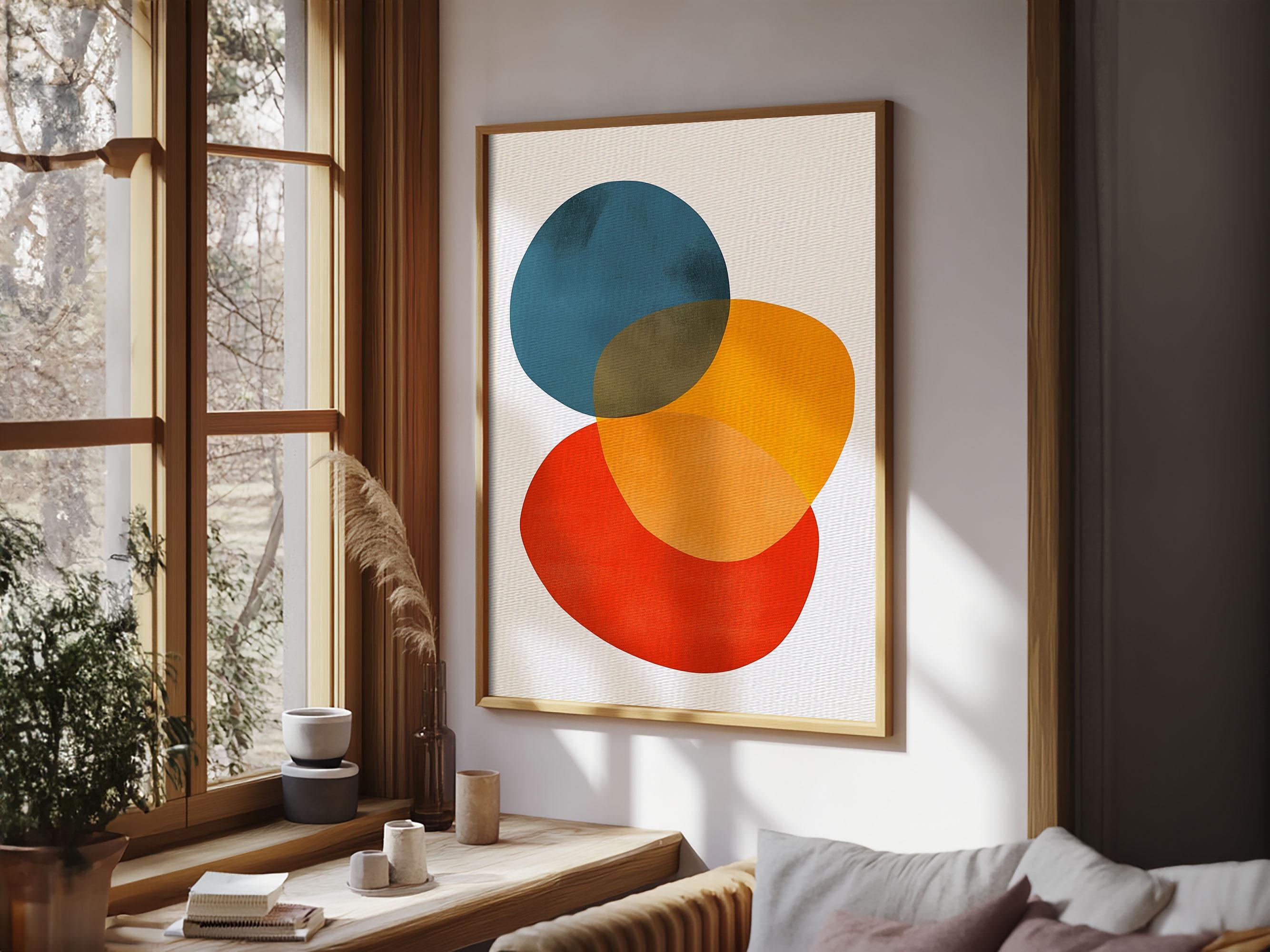
Unlike abstract art, geometric pieces are forgiving for beginners. Mistakes in alignment often enhance the modern vibe. You can scale them to any wall size, from a single framed panel to a full accent wall. Popular variations include painted tape designs, layered wood frames, textured canvases, and illuminated cardboard hexagons. Each method builds on basic skills like measuring, cutting, and painting.
For inspiration, explore geometric accent wall tutorials that use painter's tape for precise lines— a technique adaptable to many shapes.
Essential Materials for Any Geometric Wall Art Project
Start with these universal supplies:
- Measuring tape, level, and pencil
- Painter's tape (for masking)
- Acrylic or latex paints in your color palette
- Sandpaper and primer
- Utility knife or miter saw
- Wood glue, hot glue, or construction adhesive
- Frames, canvases, or plywood bases (1/4–3/4 inch thick)
- Optional: LED string lights, metallic leaf, texture paste, or spray paint
For budget-friendly starts, repurpose cardboard or scrap wood. Always work in a well-ventilated area and protect floors with drop cloths. Test colors on scrap material first, as geometric patterns amplify color contrasts.

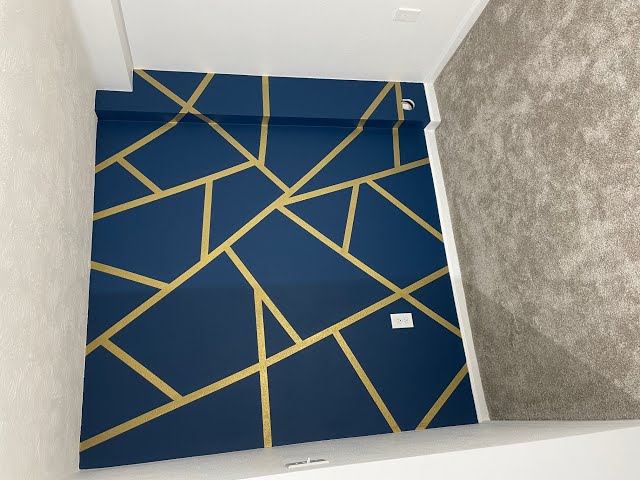
DIY Project 1: Easy Painted Geometric Accent Wall (Tape Method)
This beginner project mimics simple wall decor but elevates it with sharp geometric lines—perfect for a feature wall.
Steps:
- Choose your pattern (diamonds, chevrons, or overlapping triangles). Sketch lightly on the wall.
- Apply painter's tape along edges, pressing firmly for crisp lines.
- Paint sections one color at a time, letting each dry 2–4 hours.
- Remove tape slowly at a 45-degree angle while paint is slightly tacky.
- Touch up edges if needed and seal with clear matte varnish.
A blue-and-gold diamond pattern, as seen in many modern homes, takes about 6 hours total. It costs under $30 and covers 8x10 feet easily. For a living room transformation, pair with neutral furniture.

Pro tip: Use FrogTape for cleaner lines on textured walls. This method scales beautifully and pairs well with geometric wall painting videos for visual guidance.
DIY Project 2: 3D Geometric Wood Wall Art
For dimension and warmth, assemble scrap wood into layered frames. This creates a sculptural effect ideal above sofas or beds.
Materials: 1x2 or 1x3 pine boards, plywood backing, stain or paint, miter saw.
Steps:
- Cut wood into precise lengths for your pattern (e.g., chevrons or hexagons).
- Sand all pieces smooth.
- Assemble on a flat surface using wood glue and clamps; let dry overnight.
- Stain or paint the frame and backing separately.
- Attach to the wall with heavy-duty picture hangers or French cleats for security.
A 16x20-inch piece can use leftover lumber, keeping costs low. Dark walnut stain on light wood creates dramatic contrast. Hang multiple panels in a gallery arrangement for larger impact.
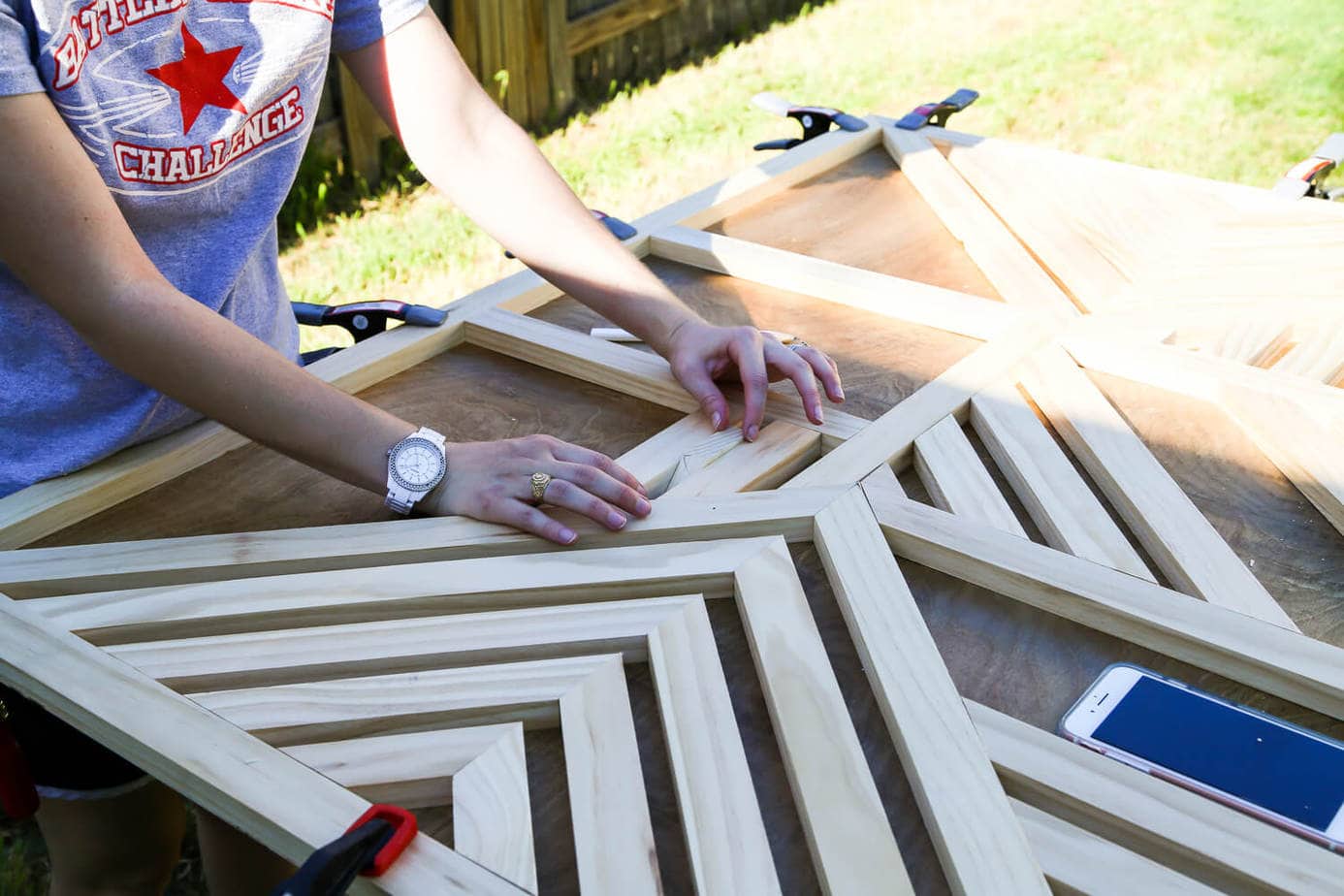
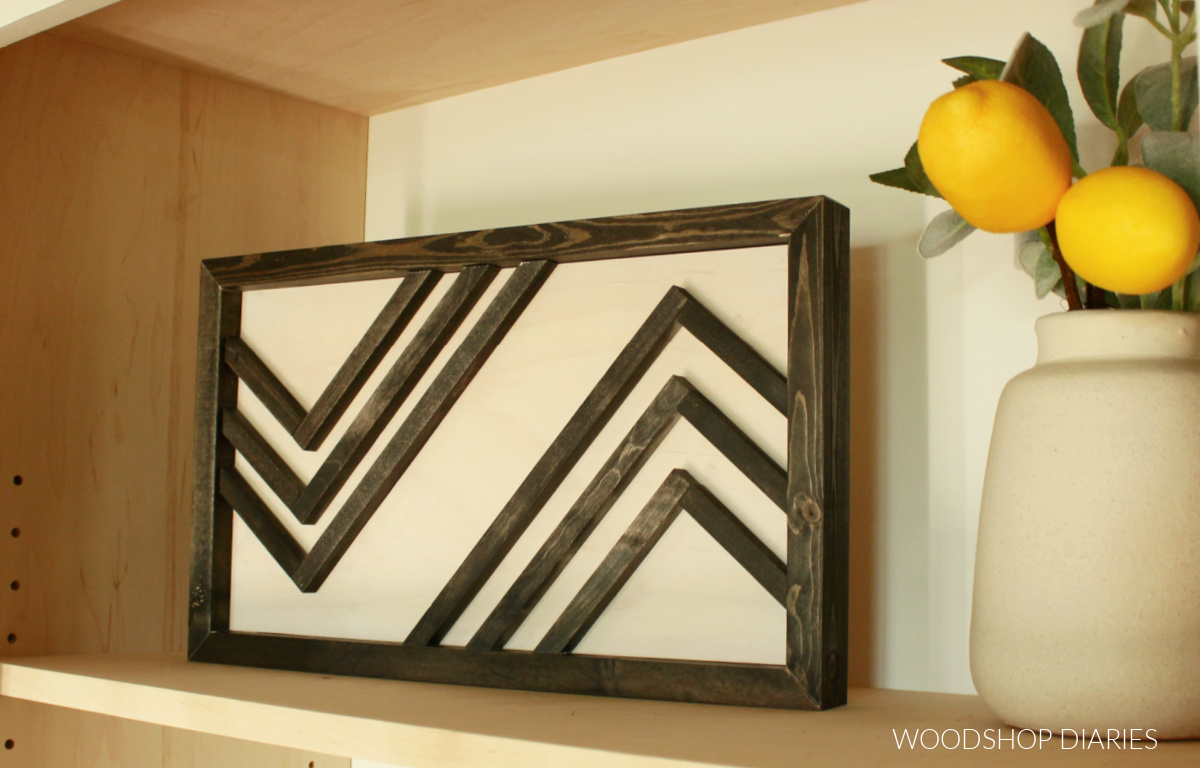
See detailed builds like this geometric wooden art tutorial for precise measurements.
DIY Project 3: Budget-Friendly Cardboard 3D Geometric Wall Art with Lighting
Upcycle cardboard boxes into illuminated hexagons or triangles for a glowing, contemporary look.
Steps:
- Trace and cut identical shapes (hexagons work best) from sturdy cardboard.
- Score and fold edges to create depth; reinforce with hot glue.
- Paint or cover with metallic paper.
- Assemble into clusters on a backing board.
- Weave LED string lights behind for ambient glow.
This project shines in dark corners or media rooms. Total cost: under $20. It adds texture and light without electrical work.

DIY Project 4: Textured Canvas Geometric Wall Art
For portable art, use canvases with raised patterns using modeling paste or joint compound.
Steps:
- Sketch geometric shapes (arcs, circles, triangles) on primed canvas.
- Apply texture paste with palette knives or stencils.
- Layer metallic leaf or gold spray for luxury.
- Paint background and accents once dry.
- Varnish for protection.
Multiple small canvases grouped together create a large statement. This technique adds tactile interest that flat prints lack.

Advanced Tips, Styling, and Sourcing
Measure twice, cut once—geometry demands precision. Use a laser level for large walls. Experiment with color theory: complementary hues (blue/orange) pop, while analogous tones soothe.
Style tips: Balance busy geometric patterns with solid furniture. In high-traffic areas, opt for durable finishes. For renters, removable wallpaper or peel-and-stick versions offer temporary flair.
If DIY feels overwhelming, browse premium Geometric Wall Art collections featuring oversized canvas prints by independent artists. Prices start affordably, with options for custom sizing.
Maintenance is simple: dust with a soft cloth; avoid direct sunlight on painted surfaces. Re-touch tape lines every few years if needed.
Benefits and Common Variations
Geometric wall art boosts perceived home value and personalizes spaces instantly. Variations include barn-quilt inspired wood designs, ombre gradients, or metallic accents for glamour.
Word count so far exceeds expectations as we dive deeper: from history (rooted in ancient mosaics and Bauhaus principles) to modern trends like maximalist mixes with florals. Homeowners report higher satisfaction with customizable pieces versus mass-produced decor.
Explore DIY geometric wood wall art for Pottery Barn-inspired ombré finishes that add sophistication on a budget.
FAQ
What is geometric wall art, and why is it popular? Geometric wall art uses shapes, lines, and symmetry to create modern visual interest. It's popular for its versatility, affordability, and ability to suit any decor style while adding structure and calm.
Is geometric wall art easy for beginners to DIY? Absolutely! The tape method requires no special tools beyond basic supplies. Start small and follow step-by-step guides—most projects take one weekend.
How much does a DIY geometric wall art project cost? Expect $20–$100 depending on scale and materials. Scrap wood or cardboard keeps it under $30; premium canvases or lights add more.
Can I make geometric wall art removable for rentals? Yes—use Command strips, peel-and-stick vinyl, or lightweight framed panels instead of permanent paint or nails.
What colors work best for geometric designs? Neutrals with metallic accents (gold, silver) are foolproof. Bold contrasts like navy and gold or pastels create drama. Test swatches first.
Where can I find ready-made geometric wall art if DIY isn't an option? Check Geometric Wall Art for large canvas options starting at $118, or search Etsy and Amazon for custom prints.
How do I hang large geometric pieces safely? Use French cleats or multiple heavy-duty anchors. Weigh the piece and follow manufacturer weight ratings.
Are there eco-friendly options for geometric wall art? Yes—repurpose cardboard, use low-VOC paints, or source reclaimed wood. Many tutorials emphasize sustainable materials.